

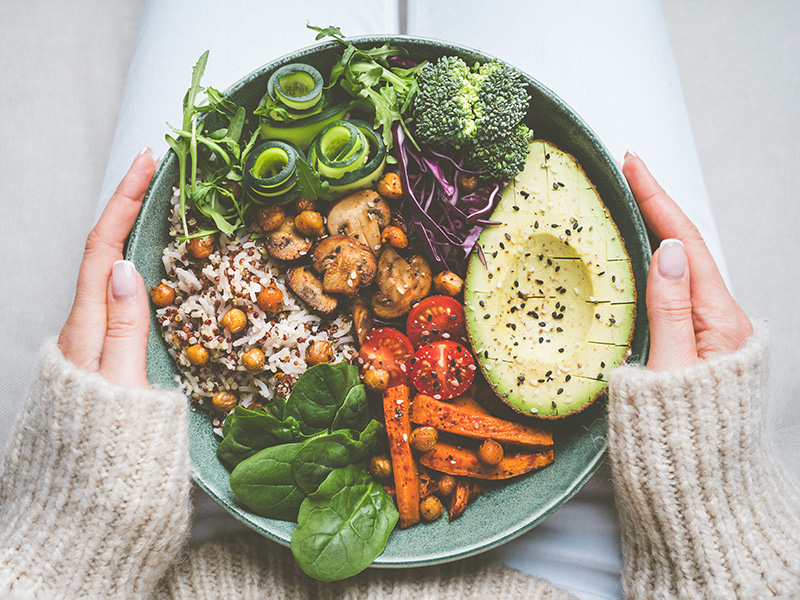
As more people seek plant-based food options, it is important to understand the difference between vegetarian and vegan diets. While both dietary approaches avoid meat, they differ in the types of animal-derived ingredients they permit. Accurate ingredient information helps consumers make informed choices that align with their personal, ethical, environmental, or health preferences.
What Is a Vegetarian Diet?
A vegetarian diet excludes meat, poultry, fish, seafood, and ingredients derived from any part of an animal’s body. However, vegetarian foods may still contain certain animal-derived products such as dairy and eggs.
Examples of ingredients that are generally considered vegetarian include:
- Milk
- Cheese made without animal rennet
- Yogurt made without gelatin
- Butter
- Cream
- Eggs
- Honey
- Microbial lipase (vegetarian rennet)
- Sugar that has not been processed using animal-derived substances such as bone char
Some ingredients require additional verification because they can be derived from either animal or non-animal sources. Examples include enzymes, polysorbates, and certain forms of vitamin A. These ingredients can only be classified as vegetarian when manufacturers confirm they are not animal-derived.
Ingredients That Are Not Vegetarian
Vegetarian products cannot contain ingredients derived from animals or insects. Examples include:
- Gelatin
- Rennet
- Carmine
- Cochineal
- Fish sauce
- Anchovies
- Lard
- Tallow
- Shellfish
- Worcestershire sauce containing anchovies
Additionally, ingredients such as cochineal and carmine are red color additives derived from insects and are therefore considered neither vegetarian nor vegan. Gelatin, which is made from animal collagen, is also neither vegetarian nor vegan.
What Is a Vegan Diet?
A vegan diet is more restrictive than a vegetarian diet. Vegan foods contain no animal-derived ingredients, byproducts, or animal-derived processing aids. Manufacturing and processing must also avoid animal-derived substances.
To qualify as vegan, a product must be made without:
- Meat, poultry, fish, or seafood
- Dairy products
- Eggs
- Honey
- Gelatin
- Rennet
- Whey
- Casein and caseinates
- Beeswax
- Vitamin D3 derived from animals
- Other animal-derived ingredients or processing aids
Some ingredients require verification because they may originate from animal, plant, microbial, or synthetic sources. If manufacturers cannot confirm that these ingredients are free from animal-derived sources, the product cannot be classified as vegan.
Why Honey Is Vegetarian but Not Vegan
Honey is produced by bees and is considered an animal-derived ingredient. Therefore, honey may be included in vegetarian products but is not considered vegan.
Sugar and Vegan Classification
Not all sugar is automatically considered vegan. Some cane sugar is processed using bone char, an animal-derived processing aid. When sugar is known to be processed with bone char, products containing it cannot be designated as vegan or vegetarian. If the sugar source or processing method is unknown, products may be classified as vegetarian but not vegan. Vegan designation may be granted when manufacturers confirm the product is vegan or when sugars such as beet sugar, organic sugar, coconut sugar, maple sugar, or turbinado sugar are used.
Key Differences Between Vegetarian and Vegan Diets
| Vegetarian | Vegan |
| Excludes meat, poultry, fish, and seafood. | Excludes all animal-derived ingredients and byproducts. |
| May include dairy products. | Does not include dairy products. |
| May include eggs. | Does not include eggs. |
| May include honey. | Does not include honey. |
| Allows certain animal-derived foods that do not involve animal flesh. | Avoids all animal-derived ingredients and animal-based processing aids. |
Both vegetarian and vegan diets focus on reducing or eliminating animal products, but the vegan diet follows stricter guidelines. Vegetarian diets may include eggs, dairy products, and honey, while vegan diets avoid all animal-derived ingredients and processing aids. Understanding ingredient sources and manufacturing processes is essential for accurately identifying foods that meet vegetarian or vegan standards and for helping consumers make informed dietary choices.











Leave a Reply
You must be logged in to post a comment.