

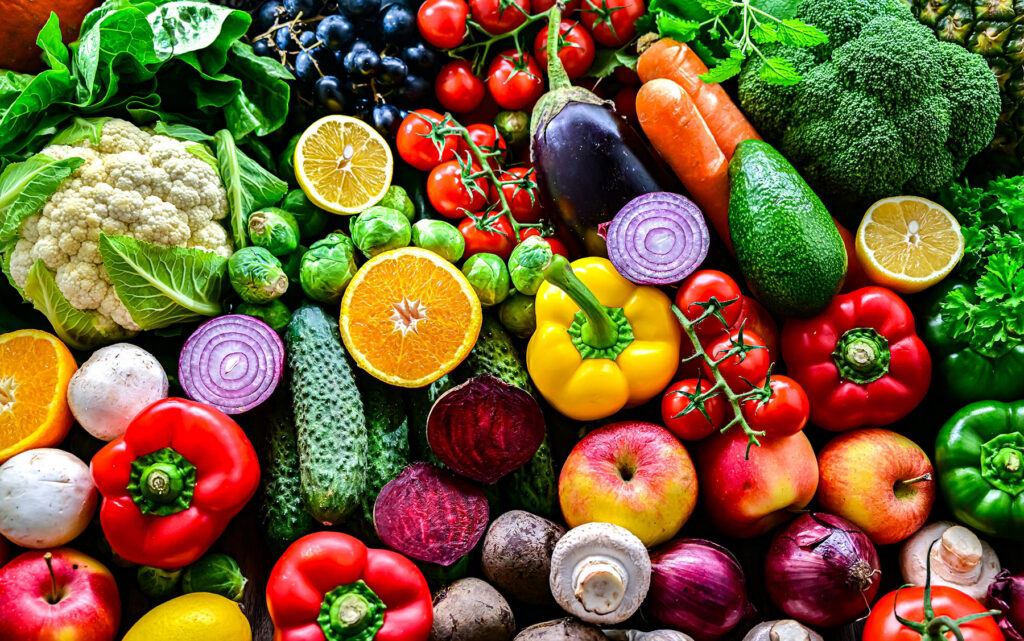
A healthy lifestyle starts with filling your plate with a colorful variety of fruits and vegetables. Each type offers its own unique combination of vitamins, minerals, fiber, and antioxidants that help support overall health and well-being. From leafy greens rich in iron and calcium to vibrant berries packed with vitamins and fiber, these nutrient-dense foods provide the energy and nourishment our bodies need to thrive. Whether fresh, frozen, canned, or dried, fruits and vegetables can add flavor, texture, and nutrition to every meal and snack. By enjoying a wide range of produce throughout the year, you can make healthy eating both delicious and simple while supporting your journey to eat well, live well, and do well.
Nutritional Benefits of Fruits and Vegetables
| LEAFY GREEN VEGETABLES | Excellent sources of beta-carotene, vitamin C, fiber, iron, and calcium. |
| BROCCOLI, CAULIFLOWER, CELERY, AND ASPARAGUS | Rich in vitamin C, calcium and potassium, with some cancer fighting compounds. |
| BEANS, PEAS, AND CORN | Exceptional source of energy, boasting B vitamins, zinc, potassium, magnesium, calcium, and iron. |
| ONIONS, TURNIPS, BEETS, FENNEL, AND POTATOES | A good source of fiber, vitamin C, beta-carotene and potassium. Onions and garlic carry properties that reduce blood pressure and cholesterol levels. |
| FRUIT VEGETABLES | Eggplant, squash, peppers and tomatoes not only provide nutrients, but also impeccable flavors that help in creating tantalizing soups, sauces, fillings, and condiments. |
| FRUITS | Sweet, relatively low in calories and are available in a myriad of shapes, sizes, colors and flavors, allowing us thousands of creative uses. Fruits and berries provide an excellent choice for snack foods and desserts, while supplying us with a healthy dose of nutrition. |
| APPLES AND PEARS | A great source of fiber and a wonderfully convenient snack foods, apples and pears also both provide vitamin C, potassium, and plant antioxidants. |
| STONE FRUITS | When in season, are packed with luscious sweet juices, beta-carotene, and vitamin C. |
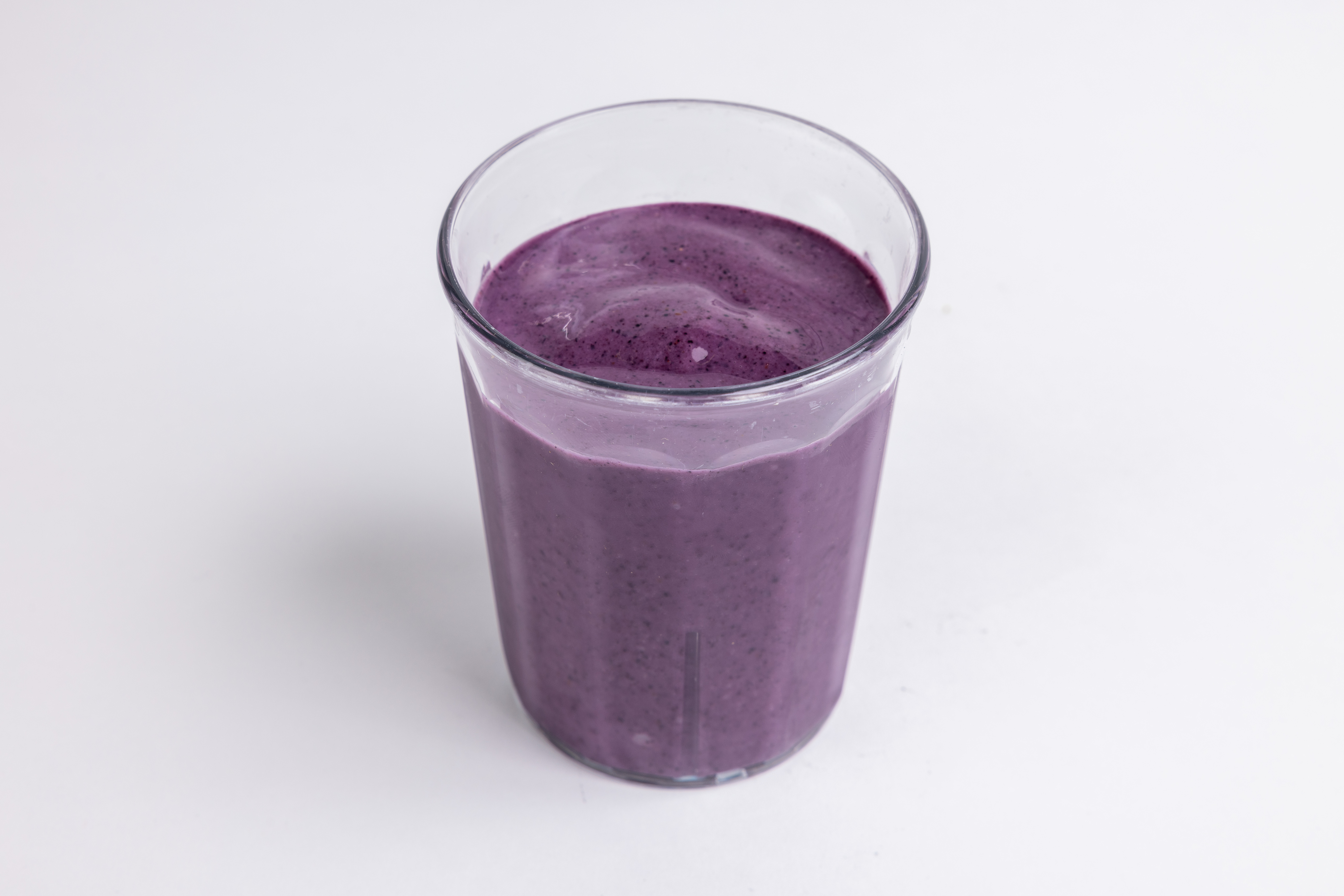
| BERRIES | Not only gorgeously attractive, but also provide a good source of fiber and vitamins. |
| CITRUS FRUITS | Produced in warm weather climates. They are known to be good sources of vitamin C. |
| MELONS | Have a delightful flavor and make a great snack that is rich in vitamin C and beta-carotene. |
| FROZEN FRUITS | Usually processed without cooking, losing few if any nutrients, which makes them ideal to purchase and use when their fresh season has passed. Freezing allows us to continue to enjoy the delicious flavors of fruits and berries year-round in wonderful smoothies, pies, sauces, and more. |
| CANNED FRUIT PACKED IN WATER OR UNSWEETENED JUICES | A good choice when fresh or frozen fruit is unavailable. Nutrients are retained and calories are considerably lower than fruit packed in heavy syrup. |
| DRIED FRUIT | Is an awesome choice for preserving summer jewels. Drying reduces the fruit’s water content, increasing the fruit’s supply of vitamins and minerals proportionally. Dried fruits have smaller portion sizes due to concentration of sugar and calories. |
Fruits and vegetables are among the most powerful tools for building a healthy lifestyle. Their rich supply of vitamins, minerals, fiber, and antioxidants helps support growth, energy, immune function, and overall well-being. By choosing a variety of colorful produce throughout the year and incorporating fresh, frozen, canned, or dried options into your meals, you can enjoy both great flavor and exceptional nutrition. Remember, every serving counts. Making fruits and vegetables a regular part of your daily routine is a simple step that can have lasting benefits for your health and the health of your family.
Challenge yourself to “eat the rainbow” each day and discover new ways to add more fruits and vegetables to your meals and snacks. Your body will thank you for it!




































Leave a Reply
You must be logged in to post a comment.