

Pregnancy often brings questions about what activities are safe and how much exercise is appropriate. The good news is that for most healthy pregnancies, physical activity is not only safe but beneficial for both mother and baby.
Before beginning or continuing an exercise routine during pregnancy, it is important to talk with your healthcare provider. Every pregnancy is unique, and your provider can help determine what activities are appropriate for your individual situation.
The Benefits of Staying Active During Pregnancy
Moderate physical activity during pregnancy offers a wide range of physical and emotional benefits. Regular movement can help you feel stronger, more comfortable, and better prepared for the changes of pregnancy and childbirth.
Exercise during pregnancy may help:
- Lower the risk of excessive weight gain
- Improve mood and support stress management
- Increase strength, muscle tone, and stamina
- Reduce leg pain, back pain, swelling, bloating, and constipation
- Improve blood circulation
- Improve posture and balance
- Promote more restful sleep
- Support healthy weight gain during pregnancy
- Improve overall fitness
- Strengthen the heart and blood vessels
- Help with postpartum weight loss after delivery
- May decrease the risk of gestational diabetes, preeclampsia, and cesarean birth
How Much Exercise Is Recommended?
Experts recommend that pregnant women aim for at least 150 minutes of moderate-intensity aerobic activity each week.
Moderate-intensity activity means you are moving enough to raise your heart rate and begin sweating, but you can still comfortably carry on a conversation.
There are many ways to accumulate 150 minutes each week.
You can:
- Exercise for 30 minutes on 5 days per week
- Break activity into shorter 10-minute sessions throughout the day
If you are new to exercise, start slowly. Even 5 minutes per day is a great place to begin. Gradually increase your activity level by adding a few minutes each week until you are able to reach 30 minutes per day.
Safe Exercise Options During Pregnancy
Many forms of exercise can be continued during pregnancy with your healthcare provider’s approval.
Activities commonly considered safe include:
Walking
Brisk walking provides a full-body workout while remaining gentle on the joints and muscles.
Swimming and Water Exercise
Water-based exercise works multiple muscle groups while the water supports your body weight, reducing stress on joints and minimizing the risk of injury.
Stationary Cycling
As pregnancy progresses, balance can become more challenging. A stationary bicycle allows you to enjoy the benefits of cycling while reducing the risk of falls.
Modified Yoga and Pilates
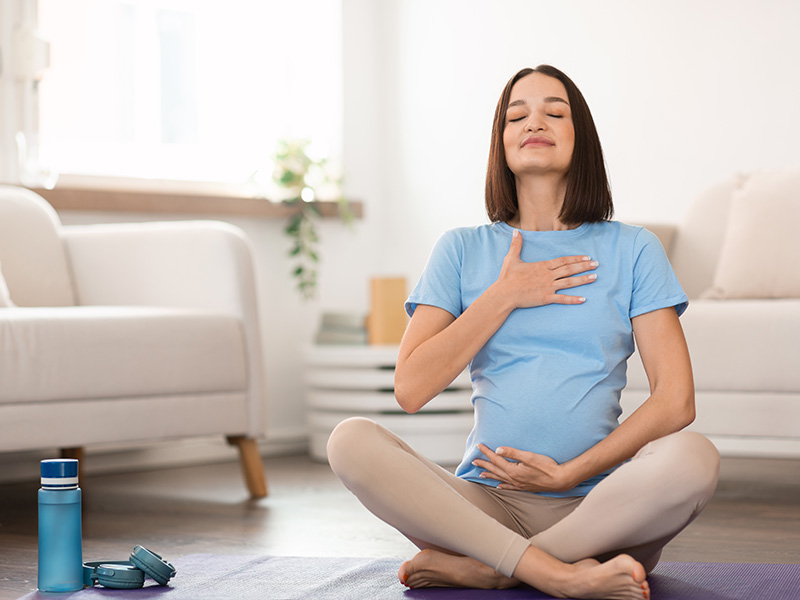
Prenatal yoga and Pilates classes often include modifications designed specifically for pregnancy. These activities may help improve flexibility, encourage stretching, and promote controlled breathing.
When practicing yoga or Pilates during pregnancy, avoid positions that require lying flat on your back or remaining motionless for prolonged periods.
Can You Continue Activities You Enjoy?
In many cases, yes.
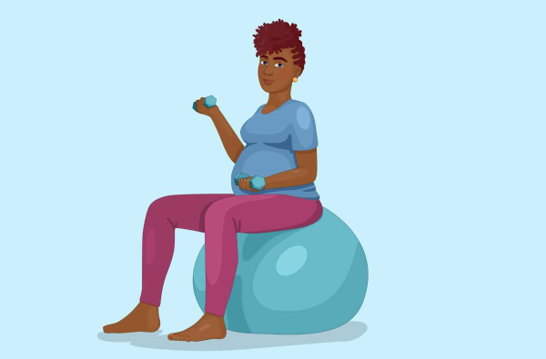
Women who regularly participated in activities such as running, jogging, tennis, or other racquet sports before pregnancy may be able to continue them with approval from their OB-GYN.
Your healthcare provider can help determine whether modifications are needed as your pregnancy progresses.
How Pregnancy Changes Affect Exercise
Your body undergoes significant changes during pregnancy that can affect physical activity.
Joint Changes
Pregnancy hormones loosen ligaments throughout the body, making joints more flexible but also more susceptible to injury. Avoid movements that are jerky, bouncing, or high impact.
Balance Changes
As your baby grows, your center of gravity shifts forward. This places additional stress on the back and pelvis while increasing the risk of falls.
Breathing Changes
Your body’s demand for oxygen increases during pregnancy. As a result, strenuous activities may feel more difficult, especially later in pregnancy.
The Bottom Line
For most healthy pregnancies, regular physical activity is a safe and effective way to support both maternal and fetal health. Exercise can improve mood, enhance fitness, promote healthy weight gain, and help prepare your body for labor and recovery.
The key is choosing activities that feel comfortable, progressing gradually, and working closely with your healthcare provider to determine what is best for you throughout pregnancy.


















Leave a Reply
You must be logged in to post a comment.