

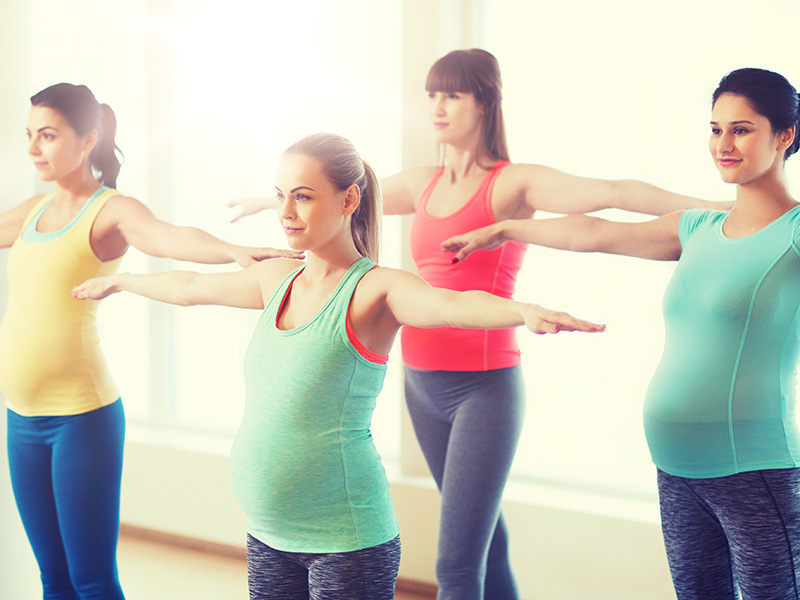
Regular physical activity can provide many benefits during pregnancy, but safety should always come first. Understanding how pregnancy affects your body and recognizing when to modify or stop activity can help you exercise confidently throughout pregnancy.
Always discuss your exercise plans with your healthcare provider before starting or continuing a routine during pregnancy.
Is Exercise Safe During Pregnancy?
For healthy women with uncomplicated pregnancies, regular physical activity is generally considered safe.
Exercise during pregnancy does not increase the risk of:
- Miscarriage
- Low birth weight
- Premature delivery
However, individual circumstances vary, which is why medical clearance is important.
Important Exercise Safety Precautions
To exercise safely during pregnancy:
Stay Hydrated
Drink water before, during, and after exercise.
Hydration becomes especially important during pregnancy because blood volume increases to support both mother and baby.
Most pregnant women need approximately 12 to 13 cups of fluid each day.
Not drinking enough fluids can increase the risk of dehydration and overheating.
Dress for Comfort and Support
Consider:
- A supportive sports bra
- Loose-fitting clothing
- A maternity support belt later in pregnancy if recommended by your healthcare provider
Avoid Overheating
Overheating is especially important to avoid during the first trimester.
To reduce risk:
- Exercise in a cool environment
- Wear breathable clothing
- Avoid outdoor workouts during hot or humid weather
Avoid Certain Positions
Try to avoid:
- Standing still for prolonged periods
- Lying flat on your back for extended periods
These positions can affect blood flow and contribute to dizziness or low blood pressure.
Activities to Avoid During Pregnancy
Some activities carry a higher risk of injury, falls, or overheating and should generally be avoided during pregnancy.
These include:
Contact Sports
- Soccer
- Basketball
- Boxing
- Ice hockey
Activities With a High Risk of Falling
- Downhill skiing
- Water skiing
- Surfing
- Horseback riding
- Gymnastics
- Off-road cycling
Other Activities to Avoid
- Hot yoga
- Hot Pilates
- Scuba diving
- Exercising above 6,000 feet if you do not normally live at a high altitude
Warning Signs: When to Stop Exercising
Stop exercising immediately and contact your healthcare provider if you experience:
- Vaginal bleeding
- Dizziness or fainting
- Shortness of breath before exercise begins
- Chest pain
- Severe headache
- Muscle weakness
- Calf pain or swelling
- Regular painful contractions
- A gush or leakage of fluid from the vagina
These symptoms may indicate a medical concern that requires evaluation.
Nutrition and Hydration for Active Pregnancies
Exercise increases the body’s energy and fluid needs. To support both pregnancy and physical activity:
- Eat a varied and balanced diet.
- Consume enough calories to support both your baby’s growth and your activity level.
- Stay hydrated throughout the day.
- Drink water before, during, and after exercise.
Proper nutrition and hydration help support healthy exercise habits while reducing the risk of dehydration and overheating.
The Bottom Line
Exercise can be a safe and healthy part of pregnancy when approved by your healthcare provider. Staying hydrated, choosing appropriate activities, avoiding overheating, and paying attention to warning signs can help you exercise safely throughout pregnancy.
The goal is not to perform at your pre-pregnancy level but to find a routine that supports your health, comfort, and well-being while helping your growing baby thrive.
















Leave a Reply
You must be logged in to post a comment.