

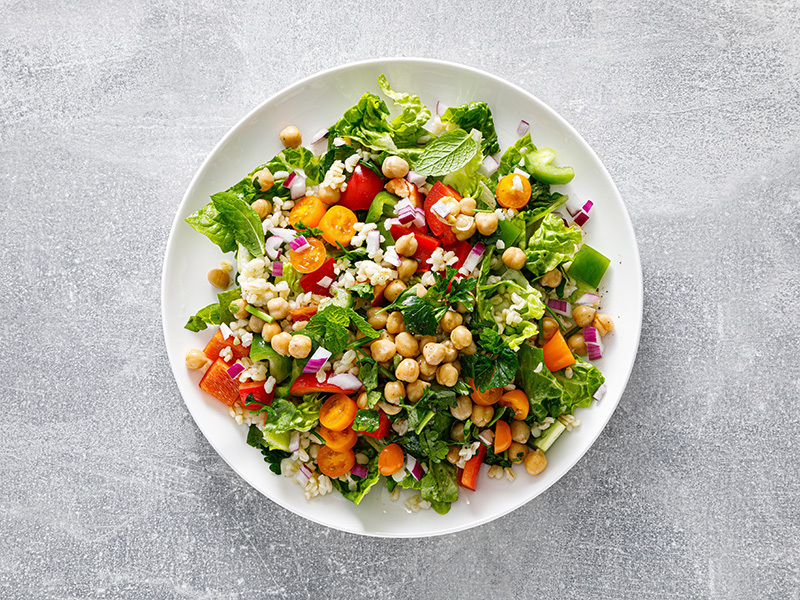
Neurodegenerative diseases such as Alzheimer’s disease, Parkinson’s disease, and other forms of dementia affect millions of people worldwide. While age and genetics play important roles, growing research suggests that lifestyle factors, including nutrition, may influence long-term brain health. Although no single food or diet can prevent neurodegenerative disease, evidence indicates that healthy eating patterns may help reduce risk factors associated with cognitive decline and support healthy brain aging.
Focus on Your Overall Eating Pattern
When it comes to brain health, researchers are finding that overall dietary patterns matter more than individual foods or supplements. Rather than searching for a single “brain-boosting” nutrient, adopting consistent healthy eating habits appears to offer the greatest potential benefit.
One eating pattern that has been consistently associated with better cognitive health is the Mediterranean-style diet. This approach emphasizes whole, minimally processed foods and healthy fats while limiting highly processed foods and excess saturated fat.
Fill Your Plate with Fruits and Vegetables
Fruits and vegetables provide vitamins, minerals, fiber, and plant compounds that help support overall health. Many of these compounds have antioxidants and anti-inflammatory properties, which may help protect cells from damage over time.
Try to include a variety of colorful produce each day, such as:
- Leafy greens like spinach, kale, and romaine lettuce
- Cruciferous vegetables like broccoli and cauliflower
- Tomatoes, bell peppers, and carrots
- Berries, apples, citrus fruits, and grapes
Aim to make fruits and vegetables a regular part of meals and snacks whenever possible.
Include Legumes, Nuts, and Seeds
Beans, lentils, chickpeas, nuts, and seeds are staples of Mediterranean-style eating patterns and provide fiber, healthy fats, plant protein, vitamins, and minerals.
Simple ways to include more of these foods include:
- Add beans or lentils to soups, salads, and grain bowls.
- Use hummus as a dip or sandwich spread.
- Enjoy a handful of nuts as a snack.
- Sprinkle nuts or seeds on yogurt, oatmeal, or salads.
These foods can support overall dietary quality and help make meals more satisfying.
Choose Fish More Often
Fish is an important component of many dietary patterns associated with brain health. Fatty fish such as salmon, trout, sardines, herring, and mackerel provide omega-3 fats, which are important structural components of the brain.
While omega-3 supplements have shown mixed results in research, consuming fish as part of a healthy dietary pattern appears to be a beneficial approach.

Make Olive Oil Your Primary Added Fat
Olive oil is a hallmark of the Mediterranean eating pattern and serves as a replacement for many sources of saturated fat.
Consider using olive oil:
- In salad dressings
- For roasting vegetables
- In marinades
- When sautéing foods
Small changes like replacing butter or other solid fats with olive oil can help improve the overall quality of your diet.
Maintain a Healthy Body Weight and Eat Balanced Meals
Research suggests that both metabolic health and overall nutritional status may play a role in long-term brain health. Eating balanced meals, maintaining a healthy weight, and avoiding unintended weight loss as you age can help support overall well-being and healthy cognitive aging.
Support Healthy Blood Sugar Levels
Researchers have identified insulin resistance and poor metabolic health as factors that may contribute to cognitive decline. Maintaining healthy blood sugar levels may therefore be an important part of supporting long-term brain health.
Habits that can support healthy blood sugar management include:
- Eating regular meals
- Choosing high-fiber foods
- Limiting sugary beverages
- Including protein with meals and snacks
- Staying physically active
These strategies benefit not only brain health but also overall wellness.
Food First, Supplements Second
Many people are interested in vitamins, antioxidants, and omega-3 supplements for brain health. While these nutrients play important roles in the body, research suggests that supplements alone do not provide the same benefits as an overall healthy dietary pattern.
Whenever possible, focus on obtaining nutrients through foods such as fruits, vegetables, legumes, nuts, fish, whole grains, and healthy oils. These foods provide a complex combination of nutrients that work together to support health.
The Bottom Line
There is currently no guaranteed way to prevent neurodegenerative diseases. However, growing evidence suggests that nutrition may play an important role in supporting brain health and reducing risk factors associated with cognitive decline. A Mediterranean-style eating pattern rich in fruits, vegetables, legumes, nuts, fish, and olive oil, combined with maintaining a healthy body weight, supporting healthy blood sugar levels, and prioritizing overall dietary quality, may help promote healthy brain aging and long-term cognitive wellness.
Source: Bianchi, Vittorio E., Pomares Fredy Herrera, and Laura Rizzi. Effect of Nutrition on Neurodegenerative Diseases: A Systematic Review. Nutritional Neuroscience, published online Nov. 4, 2019. DOI: 10.1080/1028415X.2019.1681088.

Leave a Reply
You must be logged in to post a comment.