

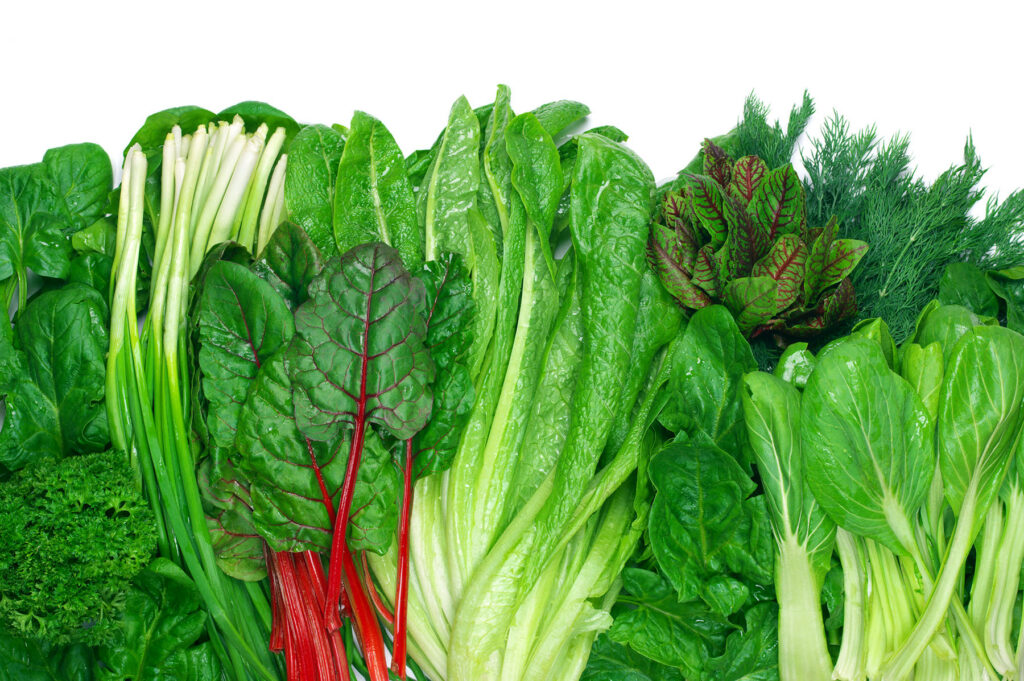
When it comes to healthy eating during pregnancy, few foods offer as many benefits as dark, leafy greens. From spinach and kale to collard greens and Swiss chard, these vegetables are packed with vitamins, minerals, fiber, and plant compounds that support both maternal health and your baby’s development.
The good news is that leafy greens are easy to find, affordable, and simple to incorporate into everyday meals. Whether enjoyed fresh in a salad, blended into a smoothie, or cooked into a favorite recipe, these nutrient-dense vegetables are an excellent addition to a healthy pregnancy eating plan.
Meet The Greens
Leafy greens come in many varieties, each with its own unique flavor and texture. Common options include:
| Spinach | Turnip Greens | Swiss Chard |
| Kale | Arugula | Broccoli Rabe |
| Collard Greens | Escarole | Boy Choy |
While their flavors may vary from mild and tender to bold and peppery, they all share one important characteristic—they are nutritional powerhouses.
Nutrition Spotlight: Why Greens Matter During Pregnancy
Vitamin K for Healthy Growth and Development
One of the standout nutrients found in leafy greens is Vitamin K. This essential nutrient helps:
- Support normal blood clotting
- Promote healthy bone development
- Support maternal health during pregnancy
- Reduce the risk of severe bleeding complications in newborns
Although the body can produce some Vitamin K through beneficial gut bacteria, prolonged antibiotic use may reduce these bacteria and increase the risk of deficiency. Including leafy greens regularly can help maintain healthy Vitamin K levels.
Folate: A Critical Pregnancy Nutrient
Leafy greens are also one of nature’s best sources of folate, a B-vitamin that plays a vital role during pregnancy. Folate helps:
- Support healthy fetal growth and development
- Reduce the risk of certain birth defects
- Promote heart health
- Support healthy blood cell production
Because folate needs increase during pregnancy, incorporating folate-rich foods such as leafy greens can help support a healthy pregnancy.
Fiber and Gut Health
Leafy greens are naturally rich in fiber, which supports digestion and helps maintain a healthy gut microbiome. A healthy gut contributes to overall wellness and plays an important role in supporting the immune system.
Nutrient Density Without Excess Calories
Greens provide significant amounts of vitamins and minerals while remaining low in calories. They add volume and satisfaction to meals, making them an easy way to increase nutrient intake without adding excess calories.
Making Leafy Greens Part of Your Daily Routine
Now that you know why leafy greens are so beneficial, let’s look at simple ways to buy, store, prepare, and enjoy them.
Helpful Hints and Shortcuts
Getting more greens into your diet can be easier than you think.
- Salad blends featuring leafy greens are readily available in most grocery stores.
- Frozen kale, collards, and turnip greens work well in soups, casseroles, and other cooked dishes.
- Spinach is one of the easiest greens to incorporate into daily meals and is available year-round.
- Frozen spinach can be purchased chopped or whole-leaf for added convenience.
Washing and Storing Greens
- Greens can last up to twice as long when stored properly.
- Even if packaged greens are labeled as prewashed, it’s best to rinse them again before eating.
- Avoid washing tender greens such as spinach until you are ready to use them.
- Soak greens in cool water for 5–7 minutes if additional cleaning is needed.
- Dry greens thoroughly before storing.
- Store in an airtight container or storage bag with a slightly damp paper towel.
- Most greens will stay fresh for 5–7 days when refrigerated properly.
Removing Tough Stems
Some leafy greens, such as kale and collards, have thick stems that can be tough to eat. Try one of these methods:
- By Hand: Hold the stem firmly and pull the leaves away from the stem using your opposite hand.
- With a Knife: Lay the leaves flat and cut along both sides of the stem.
- Using a Greens Stripper: Specialized kitchen tools can quickly remove stems and reduce prep time.
- Kitchen Tools That Help: You don’t need fancy equipment, but a few simple tools can make preparation easier (salad spinner, colander, greens de-stemmer, chef’s knife).
Culinary Tips: Delicious Ways to Enjoy Leafy Greens
Blend Them Into Smoothies
Spinach is an excellent smoothie ingredient because of its mild flavor. Pair it with fruits such as berries, bananas, peaches, or mangoes for a nutrient-packed breakfast or snack.
Add Greens to Breakfast
One of the easiest ways to eat more greens is to include them in morning meals. Try adding:
- Spinach to omelets
- Swiss chard to breakfast skillets
- Bok choy to egg scrambles
- Kale to quiches

Braise Heartier Greens
Kale, collards, and mustard greens benefit from slow cooking methods that soften their texture and mellow their bitterness. Try braising them with:
- Garlic and onions
- Herbs and spices
- Smoked turkey
- Lean ham or other proteins
Use Greens as a Filling
Leafy greens can add flavor, moisture, and nutrition to many dishes. Try:
- Stuffing chicken breasts with spinach and roasted peppers
- Adding greens to casseroles
- Mixing chopped greens into soups and pasta dishes
- Layering greens into wraps and sandwiches

Think Beyond Lettuce
Experiment with different greens as the base of your salads. Options such as Swiss chard, arugula, Bok choy, and kale offer unique flavors and textures that may become new favorites.

The Bottom Line
Leafy greens are one of the most nutritious foods you can include during pregnancy. Rich in folate, Vitamin K, fiber, and other essential nutrients, they help support both maternal health and fetal development. Best of all, they are incredibly versatile and can be enjoyed in everything from smoothies and salads to soups and main dishes.
Whether you’re adding spinach to a breakfast omelet, blending kale into a smoothie, or serving collard greens alongside dinner, every serving is a simple step toward a healthier pregnancy.
Challenge yourself to add one serving of leafy greens to your meals each day. Small changes can make a big difference for your health—and your growing baby.








Leave a Reply
You must be logged in to post a comment.