

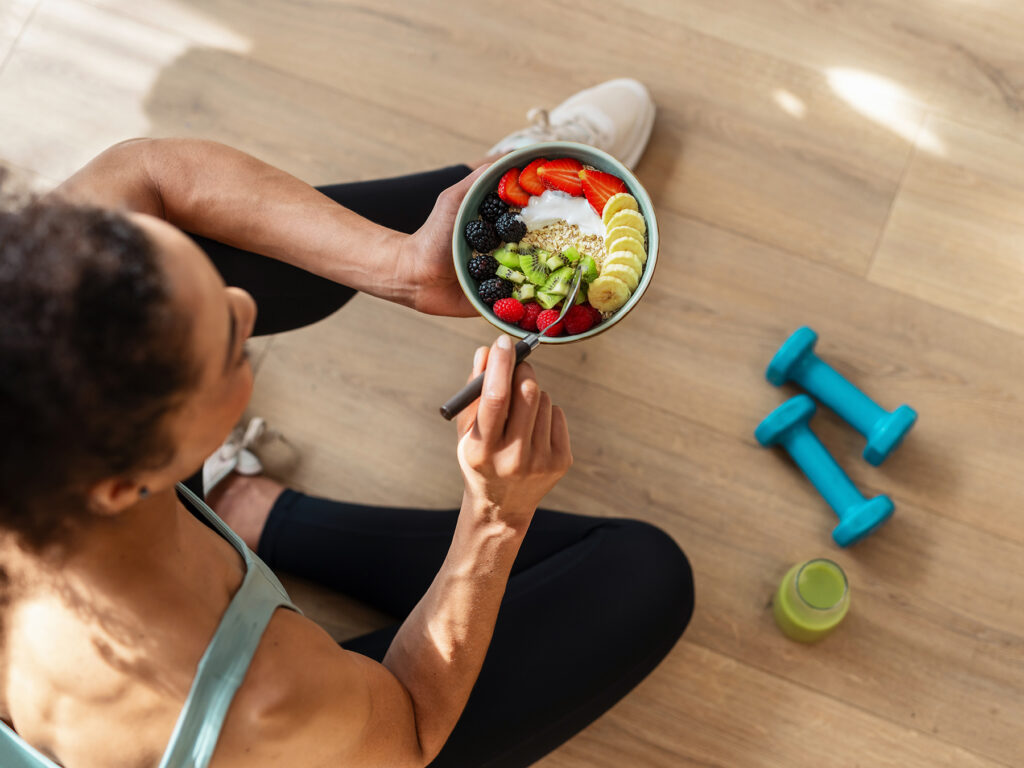
Healthy eating doesn’t have to mean following a strict or “perfect” diet. In fact, it’s often the small, consistent habits that make the biggest difference. Building balanced meals, planning ahead, and keeping nourishing foods within reach can make healthy choices feel easier and more natural. The key is finding routines that fit into your real life—habits that feel realistic, flexible, and sustainable over time.
Start With One Habit at a Time
When building new habits, it can be tempting to make several changes at once. Instead, start with one behavior that feels realistic and manageable. Once that habit becomes part of your routine, consider adding another.
Some examples include:
- Adding a fruit or vegetable to one meal each day.
- Drinking a glass of water with every meal.
- Eating breakfast three times per week.
- Packing one healthy snack for work each day.
Small, achievable goals can help build confidence and establish routines that support long-term behavior change.
Use the “Build Your Plate” Method to create balanced meals
A simple way to build a healthy plate is:
- Fill half your plate with fruits and vegetables.
- Reserve one-quarter for lean protein such as chicken, fish, beans, lentils, eggs, or tofu.
- Fill the remaining quarter with whole grains such as brown rice, quinoa, oats, or whole-wheat bread.
- Include low-fat dairy or a fortified soy alternative when possible.
This approach helps increase fiber, protein, vitamins, and minerals while keeping meals satisfying.
Make the Healthy Choice the Easy Choice
Try these registered dietitian-approved strategies:
- Wash and cut vegetables as soon as you bring them home.
- Store fruit where you can see it.
- Stock your pantry with healthy staples. Click here for a full grocery shopping list.
- Keep frozen fruits and vegetables on hand for busy weeks.
When nutritious foods are convenient, healthy choices require less effort.
Snack Smarter: The Power of Protein + Fiber
A well-balanced snack can help manage hunger, support energy levels, and bridge the gap between meals.
Try:
- Apple slices with peanut butter
- Plain, Nonfat Greek yogurt with fruit
- Hummus and raw vegetables
- String cheese and whole-grain crackers
- Homemade trail mix with nuts and dried fruit
- Oatmeal energy bites.

By pairing protein with fiber, you can build snacks that help keep you satisfied, energized, and better fueled throughout the day.
Dedicate Time for Weekly Preparation
A few minutes of planning can make healthy habits easier to stick with.
Choose one day each week to:
- Plan dinners for the upcoming week.
- Prep fruits and vegetables for meals and snacks.
- Stock healthy pantry and refrigerator staples.
- Prepare one or two grab-and-go breakfast or snack options.
- Review your goals for the week ahead.
Taking just 20 to 30 minutes to plan ahead can make busy days feel more manageable and help you stay consistent with your healthy habits.
Focus on Consistency, Not Perfection
Healthy habits are built through repetition, not perfection.
If you have a less balanced meal or end up grabbing takeout on a busy day, don’t treat it like a setback. Your next meal, snack, or even the next day is a fresh chance to make a choice that supports your goals.
Lasting habits aren’t built through perfection—they’re built by returning to your routine, again and again.
The Bottom Line
Healthy habits are built through consistent, everyday choices. By creating balanced meals, keeping nutritious foods available, planning ahead for busy days, and focusing on one manageable change at a time, you can develop routines that support long-term health and well-being.

Leave a Reply
You must be logged in to post a comment.