

By Chelsea Rae Bourgeois
Chia seeds may be small, but they’re packed with nutrition. These tiny black and white seeds are recognized as a functional food across cultures, and for good reason! They have a mild taste and fun texture, they’re easy to add to meals, and they offer many health benefits.
Chia Seeds are Loaded with Nutrients
Chia seeds are packed with many of the important nutrients that your body needs. We’re talking fiber, omega-3 fatty acids, antioxidants, vitamins, and minerals.1 Because chia seeds are so nutrient-dense, even a small serving can provide a meaningful nutrition boost. Including them in a recipe is an excellent way to add nutrients without changing the flavor much.
Chia Seeds are a Fiber Superstar
One of the chia seed’s biggest claims to fame? Definitely its fiber content! Fiber plays an important role in your overall health, supporting everything from digestion to blood sugar control to heart health.1
Chia seeds contain both soluble and insoluble fiber, and they contain more fiber per gram than many of your other commonly consumed seeds and grains. They contain about 34.4 grams of fiber per 100 grams, which is more than flaxseed, quinoa, sunflower seeds, wheat, corn, and rice contain in the same amount.2
Chia Seeds Can Support Heart Health
When it comes to heart health, small choices can make a big difference. Adding chia seeds to your diet is an easy way to boost your intake of heart-supporting nutrients.
Chia seeds are rich in omega-3 fatty acids, a type of healthy fat that supports heart health. Research shows their omega profile combined with their magnesium, potassium, and calcium content can help lower blood pressure and reduce the risk of cardiovascular disease.3
Chia Seeds Can Help You Stay Energized
Have you ever reached for a snack, only to feel sluggish or hungry again 20 minutes later? You’re not alone. Some snacks lack the nutrients your body needs to stay energized and satisfied. Not chia seeds, though!
Chia seeds contain a blend of carbohydrates, protein, and healthy fats. This combination provides steady energy instead of a quick burst followed by a crash. Including chia seeds in a well-balanced meal can help fuel your body over a longer period of time.
Chia Seeds are Easy and Fun to Use
One of the best things about these tiny seeds is how simple they are to use. Including chia seeds in your day-to-day diet can be as easy or as involved as you want! You can sprinkle them over cereal, stir them into yogurt, blend them into smoothies—the possibilities are endless!
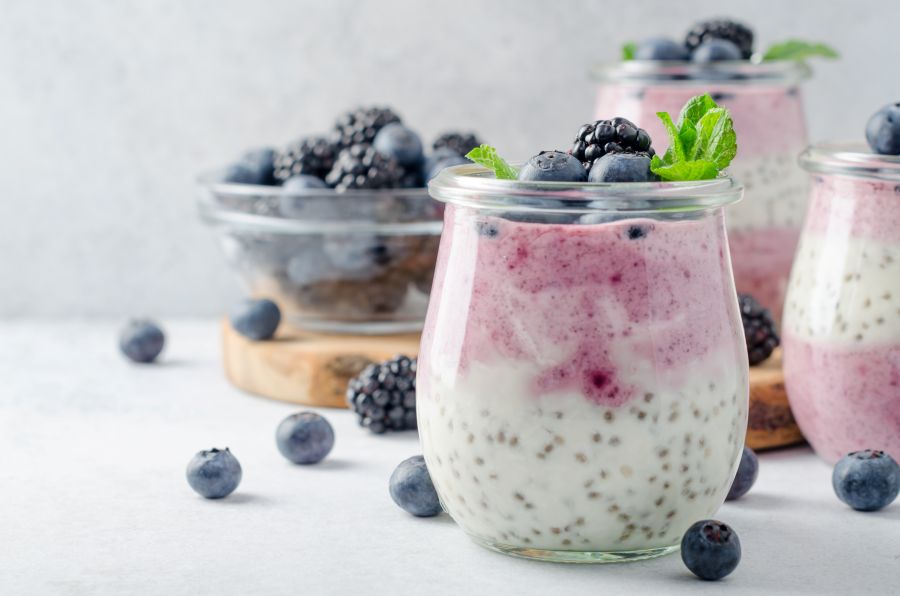
They can add a bit of crunch or, when mixed with liquid, they absorb water and create a pudding-like texture. Pick from popular chia seed recipes or get creative and add chia seeds to some of your favorite dishes!
Chia seeds may be small, but they come with some impressive benefits. From supporting digestion and heart health to helping you stay energized, these tiny seeds have a lot to offer. Best of all? They’re super easy to add to your day-to-day routine!
References
- Rauf MA, Razzak MA, Waheed F, et al. A comprehensive review on nutritional, functional, and clinical perspectives of chia seeds and chia mucilage. Bioactive Carbohydrates and Dietary Fibre. 2026;lping 35:100526. doi:10.1016/j.bcdf.2026.100526
- Motyka S, Skała E, Ekiert H, Szopa A. Health-promoting approaches of the use of chia seeds. Journal of Functional Foods. 2023;103:105480. doi:10.1016/j.jff.2023.105480
- Karimi M, Pirzad S, Shirsalimi N, et al. Effects of chia seed (Salvia hispanica L.) supplementation on cardiometabolic health in overweight subjects: a systematic review and meta-analysis of RCTs. Nutr Metab (Lond). 2024;21(1):74. doi:10.1186/s12986-024-00847-3