

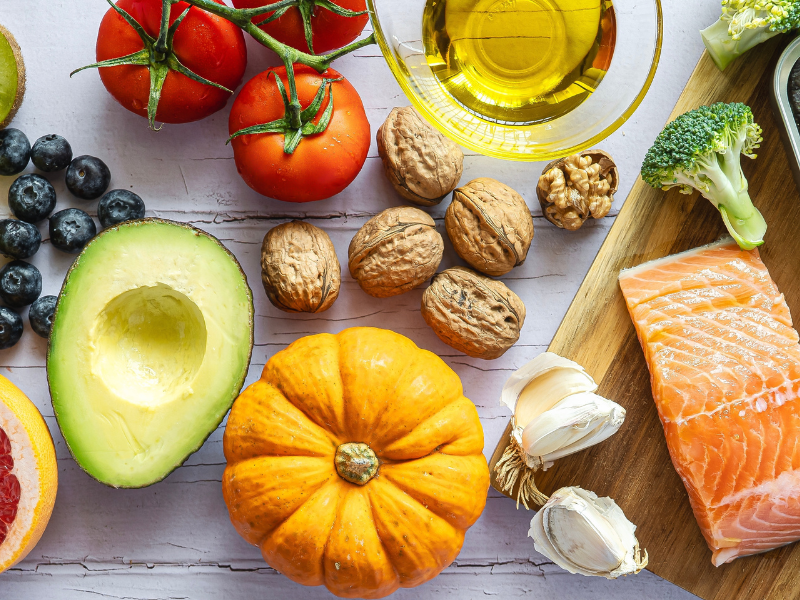
As we age, maintaining brain health becomes just as important as caring for our heart, bones, and muscles. While no single food can prevent cognitive decline or dementia, growing research suggests that overall dietary patterns can play a meaningful role in supporting brain function. One eating pattern that has gained significant attention is the MIND diet.
What Is the MIND Diet?
The MIND diet, short for Mediterranean-DASH Intervention for Neurodegenerative Delay, combines elements of the Mediterranean diet and the DASH (Dietary Approaches to Stop Hypertension) diet. It was specifically developed to emphasize foods that may support cognitive health and healthy brain aging.
Unlike restrictive diets, the MIND diet focuses on consistently including nutrient-rich foods while limiting foods that are higher in saturated fats, added sugars, and highly processed ingredients.
Why Brain Health Matters
The brain relies on a steady supply of nutrients to support memory, learning, focus, and overall cognitive function. Research continues to show strong connections between cardiovascular health and brain health, which means that many of the same eating habits that support the heart may also benefit the brain.
The MIND diet encourages a variety of nutrient-dense foods that provide antioxidants, fiber, healthy fats, vitamins, and minerals, all of which contribute to overall health and well-being.
Foods to Emphasize on the MIND Diet
Green Leafy Vegetables
Examples include spinach, kale, collard greens, and romaine lettuce. These vegetables provide important nutrients, including folate, vitamin K, and antioxidants. The MIND diet recommends enjoying leafy greens regularly throughout the week.
Other Vegetables
Aim to include a variety of colorful vegetables every day. Different vegetables provide different nutrients, making variety key to a balanced eating pattern.
Berries
Berries, particularly blueberries and strawberries, are highlighted as a key component of the MIND diet. They can be enjoyed fresh, frozen, or added to smoothies, yogurt, oatmeal, and salads.
Whole Grains
Whole grains such as oats, brown rice, quinoa, whole wheat bread, and barley provide fiber and other nutrients that support overall health.
Nuts
Nuts make an easy snack and can also be added to salads, yogurt, or cooked dishes. They provide healthy fats, fiber, and plant-based protein.
Beans and Legumes
Beans, lentils, and peas are versatile, budget-friendly sources of protein and fiber that fit well within the MIND diet pattern.
Fish
Fish provides high-quality protein and beneficial omega-3 fatty acids. Incorporating fish into meals at least weekly can help support a balanced dietary pattern.
Poultry
Chicken and turkey are encouraged as lean protein options and can be incorporated into a variety of meals throughout the week.
Olive Oil
Olive oil is the preferred cooking fat in the MIND diet and can be used for cooking, dressings, and marinades.
What Does a MIND Diet Look Like?
The MIND diet doesn’t require strict meal plans or complicated rules. Instead, it encourages regularly eating foods that support brain health while limiting foods that may contribute to inflammation and cardiovascular disease. The goal is progress, not perfection.
MIND Diet Quick Reference Guide
| Food Group | Recommended Amount |
| Green leafy vegetables (spinach, kale, romaine, collard greens) | At least 6 servings per week |
| Other Vegetables | At least 1 serving per day |
| Whole Grains | 3 or more servings per day |
| Berries (especially blueberries and strawberries) | At least 2 servings per week |
| Nuts | At least 5 servings per week |
| Beans and legumes | At least 3 servings per week |
| Fish | At least 1 serving per week |
| Poultry | At least 2 servings per week |
| Olive Oil | Use as your primary cooking oil |
| Water | Make it your beverage of choice throughout the day |
Foods to Limit
| Food Group | Recommendation |
| Red meat | Fewer than 4 servings per week |
| Butter and margarine | Less than 1 tablespoon per day |
| Cheese | Less than 1 serving per week |
| Pastries and sweets | Fewer than 5 servings per week |
| Fried or fast food | Less than 1 serving per week |
Practical Tips for Getting Started
- Add a leafy green vegetable to meals most days of the week.
- Include a variety of colorful vegetables every day.
- Enjoy berries as a snack, dessert, or breakfast topping.
- Choose whole grains more often than refined grains.
- Incorporate beans or lentils into soups, salads, or side dishes.
- Snack on a handful of unsalted nuts.
- Include fish in your meal plan at least once a week.
- Use olive oil in place of butter when cooking.
- Limit highly processed snacks, fried foods, and sugary treats.
- Stay hydrated by making water your primary beverage.
The Bottom Line
The MIND diet is a flexible, practical eating pattern that emphasizes vegetables, berries, whole grains, legumes, nuts, fish, poultry, and olive oil while limiting foods high in saturated fats and added sugars. By focusing on nutrient-dense foods and sustainable habits, the MIND diet offers an approachable way to support overall health and healthy aging.
Whether you’re looking to make small improvements or completely refresh your eating habits, incorporating more MIND diet foods into your routine can be a positive step toward supporting long-term brain and body health.

Leave a Reply
You must be logged in to post a comment.