
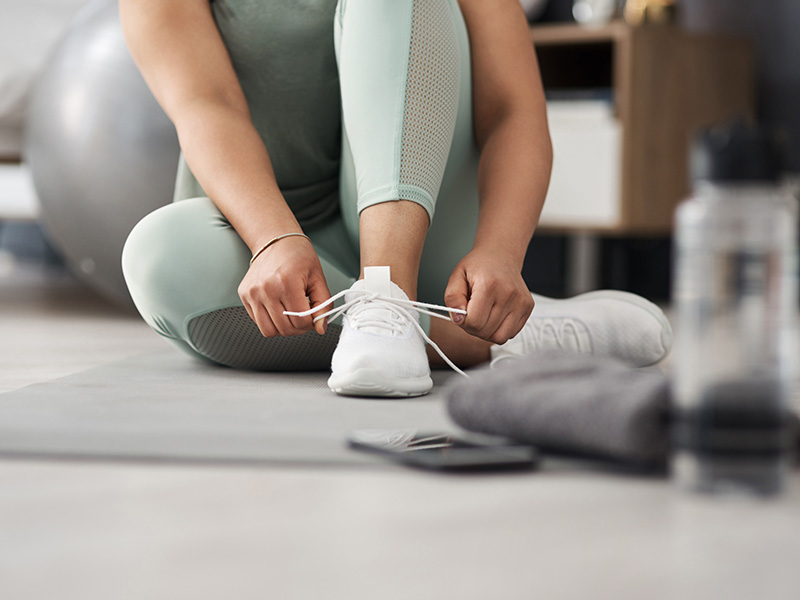
If it has been months, years, or even decades since you exercised regularly, you’re not alone. Many people want to become more active but feel unsure about where to start. You may worry about getting injured, not being fit enough, or struggling to keep up with a workout routine.
The good news is that you do not have to be in shape to start exercising. Physical activity can provide health benefits at any fitness level, and even small amounts of movement are better than none.
Start Small and Keep It Simple
One of the biggest mistakes people make is trying to do too much too soon. After a burst of motivation, it’s tempting to commit to long workouts every day. Unfortunately, this approach can lead to soreness, frustration, or burnout.
Instead, start with an activity that feels manageable.
Examples include:
• A 10-minute walk around your neighborhood
• Gentle stretching in the morning
• Walking during your lunch break
• Riding a bike at a comfortable pace
• Light gardening or yard work
The goal is not to have the perfect workout. The goal is simply to start moving consistently.
Choose Activities You Enjoy
Exercise is easier to maintain when you actually like what you’re doing.
Some people enjoy walking outdoors. Others prefer dancing, swimming, cycling, fitness classes, or exercising at home. There is no single “best” activity for everyone.
Ask yourself:
• What types of movement do I enjoy?
• What activities fit my schedule?
• What can I realistically do most weeks?
Finding something you look forward to is often more important than finding the perfect workout.
Focus on Consistency Before Intensity
Many people assume exercise needs to be hard to be effective. In reality, building a routine is often the most important first step.
For example, a 10-minute walk five days per week may be more beneficial in the long run than an ambitious exercise plan that only lasts a week or two.
Try focusing on:
• Moving at the same time each day
• Scheduling activity on your calendar
• Creating a simple weekly routine
• Celebrating small wins along the way
Once movement becomes a regular habit, you can gradually increase your time, distance, or intensity.
Build Up Gradually
As your fitness improves, consider adding a little more activity.
You might:
• Increase your walk from 10 minutes to 15 minutes
• Add an extra day of activity each week
• Walk at a slightly faster pace
• Begin basic strength-training exercises
Small increases give your body time to adapt and may help reduce the risk of injury.
Don’t Forget Strength Training
Walking and other aerobic activities are excellent for overall health, but strength training is important too.
Strength-training activities help maintain muscle strength and support everyday tasks such as climbing stairs, carrying groceries, and getting up from a chair. Current guidelines recommend muscle-strengthening activities at least twice per week.
Beginner-friendly options include:
• Chair squats
• Wall push-ups
• Resistance bands
• Light dumbbells
• Bodyweight exercises
Start with a few simple exercises and gradually progress as you become more comfortable.
What If You Miss a Few Days?
Life happens. Vacations, illnesses, busy schedules, and unexpected events can interrupt even the best routines.
Missing a few days does not mean you’ve failed.
Instead of focusing on what you missed, focus on resuming your routine as soon as possible. One missed workout rarely affects long-term progress, but quitting altogether often does.
Remember that consistency over months and years matters more than perfection on any single day.
Signs You’re Progressing
Progress is not always measured by speed, distance, or weight lifted.
You may notice that:
• Daily activities feel easier
• You have more energy
• Your mood improves
• You sleep better
• Walking longer distances feels more comfortable
• You recover more quickly after activity
These changes are all signs that your body is adapting to regular movement.
Safety Tips
If you have been inactive for a long time, are pregnant, have a chronic health condition, or have concerns about exercising safely, talk with your healthcare provider before beginning a new activity program. Start slowly and increase activity gradually. Stop and seek medical attention if you experience chest pain, severe shortness of breath, dizziness, or other concerning symptoms during exercise.
Bottom Line
Getting back into exercise does not require an intense workout plan or a gym membership. Start with an activity you enjoy, keep it simple, and focus on building a consistent routine. Small steps taken regularly can help you become more active, confident, and healthy over time.
Sources
- Centers for Disease Control and Prevention. Getting Started With Physical Activity. Accessed November 2026.
- Centers for Disease Control and Prevention. Physical Activity Guidelines for Adults. Accessed November 2026.
- National Institute of Diabetes and Digestive and Kidney Diseases. Tips to Help You Get Active. Accessed November 2026.
- Mayo Clinic Health System. Need to Get Moving? Start Slowly. Accessed November 2026.

Leave a Reply
You must be logged in to post a comment.