

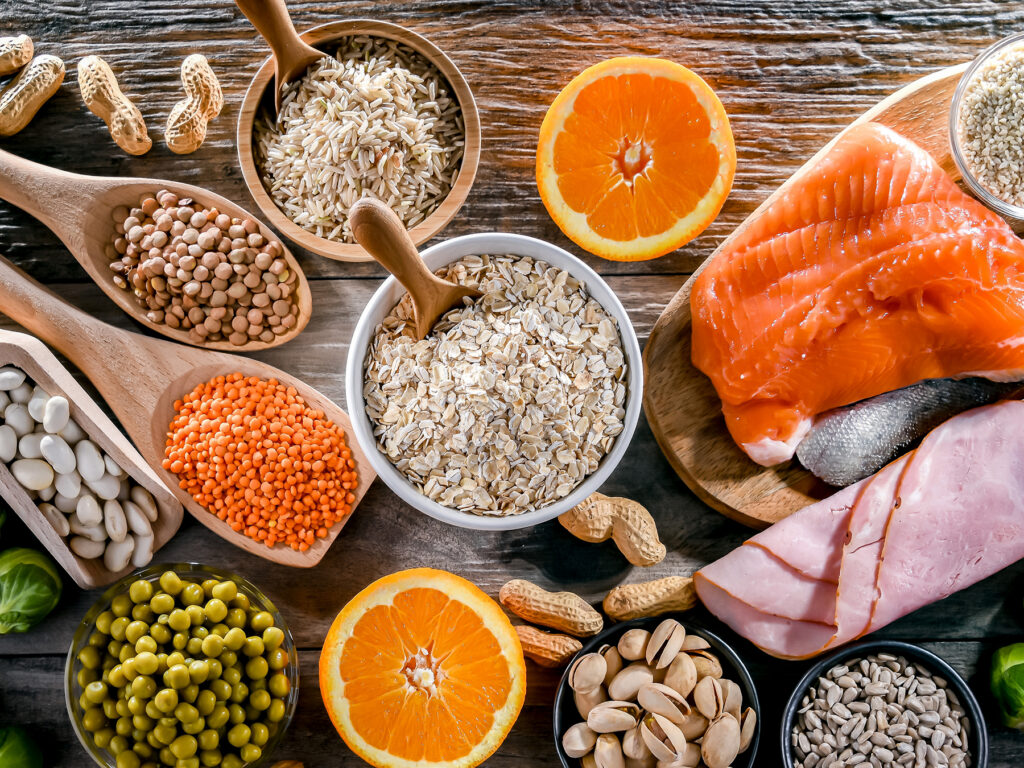
Did you know there is such a thing as Nutritional Psychiatry? This growing field of research explores how the foods and nutrients we consume influence mental health, mood, and brain function. Fascinating, right? While no single food can prevent or cure mental health conditions, research continues to show that nutrient-dense foods can play an important role in supporting emotional well-being through what experts call the food–mood connection.
The foods we eat provide essential nutrients that help our brains function properly, support healthy neurotransmitter activity, reduce inflammation, and nourish the gut microbiome. Together, these factors can influence how we feel, think, and manage stress. Let’s take a closer look at some nutritional powerhouses that support mental and emotional health.
Nutrition Spotlight
Lentils
Lentils are packed with fiber, which helps feed beneficial gut bacteria. A healthy gut microbiome supports the important communication pathway between the digestive system and the brain, often referred to as the gut-brain connection. Lentils are also rich in folate (vitamin B9), a nutrient involved in mood regulation and healthy brain function.
Salmon
Salmon is an excellent source of omega-3 fatty acids, which have been widely studied for their role in supporting brain health and maintaining mood balance. Including omega-3-rich foods regularly can be a valuable part of a mental wellness-focused eating pattern.

Broccoli
Broccoli provides vitamin C and powerful antioxidants that help combat oxidative stress, which has been associated with depression and other mood-related concerns. The fiber found in broccoli also supports gut health, helping strengthen the gut-brain connection and promoting emotional well-being.
Sunflower Seeds
These small but mighty seeds are rich in magnesium, a mineral known for its role in supporting relaxation and helping the body cope with stress. Adding sunflower seeds to meals and snacks is an easy way to increase nutrient intake while adding crunch and flavor.
Cherries
Cherries contain antioxidants that help reduce stress within the body. They may also support healthy sleep quality, an important factor in maintaining emotional resilience, mental clarity, and overall well-being.
Healthy Fats
Healthy fats, such as those found in olive oil, support brain function and are a key component of Mediterranean-style eating patterns. Research has shown that these dietary patterns are associated with a lower risk of depression and support overall mental health.
Key Techniques & Helpful Hints
1. Ease Into Lentils
Not sure you’ll enjoy the flavor or texture of lentils? Try combining equal parts lentils with brown rice, quinoa, or bulgur wheat. This simple approach creates a more familiar taste and texture while still delivering plenty of nutrition.
2. Make It Seasonal
A lentil salad serves as a blank canvas for seasonal produce. Rotate ingredients throughout the year to add variety, maximize nutrient intake, and keep meals interesting.
3. Get the Most from Broccoli
Boiling broccoli can result in significant nutrient loss and often doesn’t produce the best flavor. If raw broccoli isn’t your favorite, consider lightly steaming, sautéing, or roasting it. Roasting is often the most flavorful option and can help preserve more of its nutritional value.
4. Add Natural Sweetness
Dried cherries are a delicious way to add sweetness and texture to a salad. Dried cranberries also work well. If fresh cherries are in season, remove the pits and dice them into bite-sized pieces before adding them. Pomegranate seeds are another colorful and nutrient-rich alternative.
5. Focus on Whole Foods
Prioritize whole-food preparation whenever possible. Homemade dressings, fresh ingredients, and minimally processed foods can help increase nutrient density while reducing exposure to ingredients that may contribute to inflammation. Research suggests that dietary patterns high in processed foods are associated with a greater risk of depression, while whole-food eating patterns better support mental health and overall wellness.
Bringing It All Together
Supporting mental and emotional health goes beyond managing stress and getting enough sleep—it also includes nourishing your body with foods that support brain function, gut health, and overall well-being. By incorporating foods like lentils, salmon, broccoli, sunflower seeds, cherries, and healthy fats into your meals, you can take simple, meaningful steps toward supporting your mood from the inside out.
Remember, every meal is an opportunity to nourish both your body and your mind. Small, consistent choices can make a big difference in helping you feel your best every day.

Leave a Reply
You must be logged in to post a comment.