

Nutrition in 2026 is louder, faster, and more confusing than ever. Between fiber‑packed drinks, GLP‑1 meds reshaping appetites, and the internet arguing about whether hummus is “ultra‑processed,” it’s no wonder people feel overwhelmed. To help cut through the noise, here are four of the most common (and fastest‑growing) nutrition questions people are asking this year — and how a dietitian would break them down with clarity and compassion.
1. Is fibermaxxing actually healthy — and how much fiber do I really need?
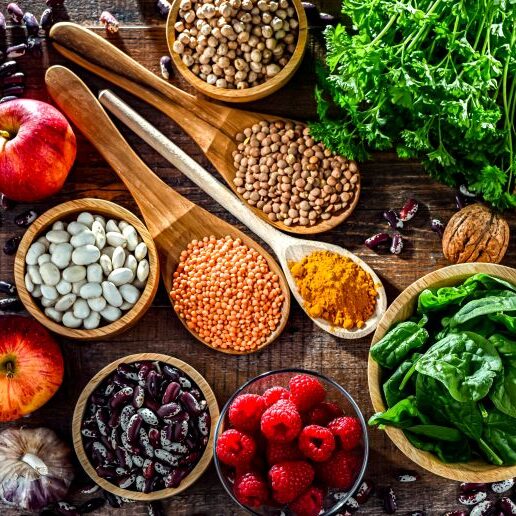
If 2025 was the year of protein, 2026 is shaping up to be the year of fiber. From high‑fiber beverages to fiber‑fortified snacks, consumers are finally catching on to what dietitians have known forever: most people aren’t getting nearly enough. But more isn’t always better — at least, not all at once.
A dietitian’s guidance:
- Increase fiber slowly. Jumping from 10g/day to 40g/day overnight is a guaranteed ticket to bloating and discomfort. Aim to raise your intake by ~5g per week.
- Don’t forget water. As fiber increases, hydration must increase too.
- Pair fiber with protein. This combination enhances fullness, supports blood sugar balance, and keeps energy steady.
- Aim for “balanced fiber,” not extremes. Long‑term habits built on fruits, vegetables, whole grains, legumes, nuts, and seeds beat any short‑term maxxing trend.
The bottom line: Fibermaxxing can support health as long as it’s done gradually and thoughtfully. And there is no need to aim for 40-50g/day. Just try to get to the current recommended daily intake. For women that’s between 25-28 grams daily and for men should get about 31 to 34 grams per day.
2. What should I know about ultra‑processed foods (UPFs) — should I avoid them completely?
The UPF debate has exploded — and for good reason. With multiple competing definitions even health and science professionals can’t always agree on what counts as “ultra‑processed.” Common misconceptions include, “If it comes in a package, it’s UPF” and “UPF = unhealthy.” These statements oversimplify a complex issue.
A dietitian’s guidance:
- Know what qualifies — and what doesn’t. A food being packaged doesn’t automatically make it unsafe or unhealthy.
- Avoid fear‑based messaging. Not all UPFs are created equal. A fortified cereal is very different from a candy bar nutritionally.
- Learn to navigate the gray areas. Some foods labeled “UPF” (like whole‑grain bread or tofu) absolutely fit into a healthy diet.
- Focus on overall patterns. A diet dominated by UPFs may lack nutrients, but eliminating them entirely is unnecessary — and often unrealistic.
The real goal? More whole foods, less stress.
3. How should I be eating if I’m on a GLP‑1 medication?
With GLP‑1 medications becoming more widely used for weight management, diabetes, and even heart health, people are asking what — and how — they should eat while using them. These medications often reduce appetite, which can create hidden nutritional gaps.
A dietitian’s guidance:

- Prioritize protein. Smaller appetites mean protein needs to be intentional to preserve muscle mass.
- Use resistance training to protect lean tissue. Food alone won’t do it.
- Watch for nutrient gaps. If you eat less overall, it becomes harder to meet vitamin and mineral needs.
- Combat GI issues gently. Small, frequent meals and adequate hydration can help minimize nausea or reflux.
- Don’t skip meals just because you’re not hungry. Appetite suppression can work too well for some people.
GLP‑1s change physiology — your nutrition should adapt too. If you are on a GLP-1, you should be sure to include a Registered Dietitian as a part of your medical team.
4. How do I know which nutrition information online is credible?
Between TikTok, Instagram, and endless “What I eat in a day” videos, most people feel overloaded — and misled — by contradictory nutrition advice.
A dietitian’s guidance:
- Spot red flags. Absolutist language (“never eat…”, “always avoid…”), fear tactics, and miracle claims are major warning signs.
- Check credentials. Look for RDNs, qualified researchers, and reputable health organizations.
- Cross‑check claims. If advice contradicts established guidelines without clear evidence, be skeptical.
- Re‑train your algorithm. Actively engage with credible sources to retrain what social platforms surface for you.
In a world full of noise, evidence‑based guidance is the compass many people need — and dietitians can help provide it. The nutrition landscape is evolving quickly — but the fundamentals haven’t changed. A balanced diet, steady habits, and personalized guidance still matter more than any trend.